
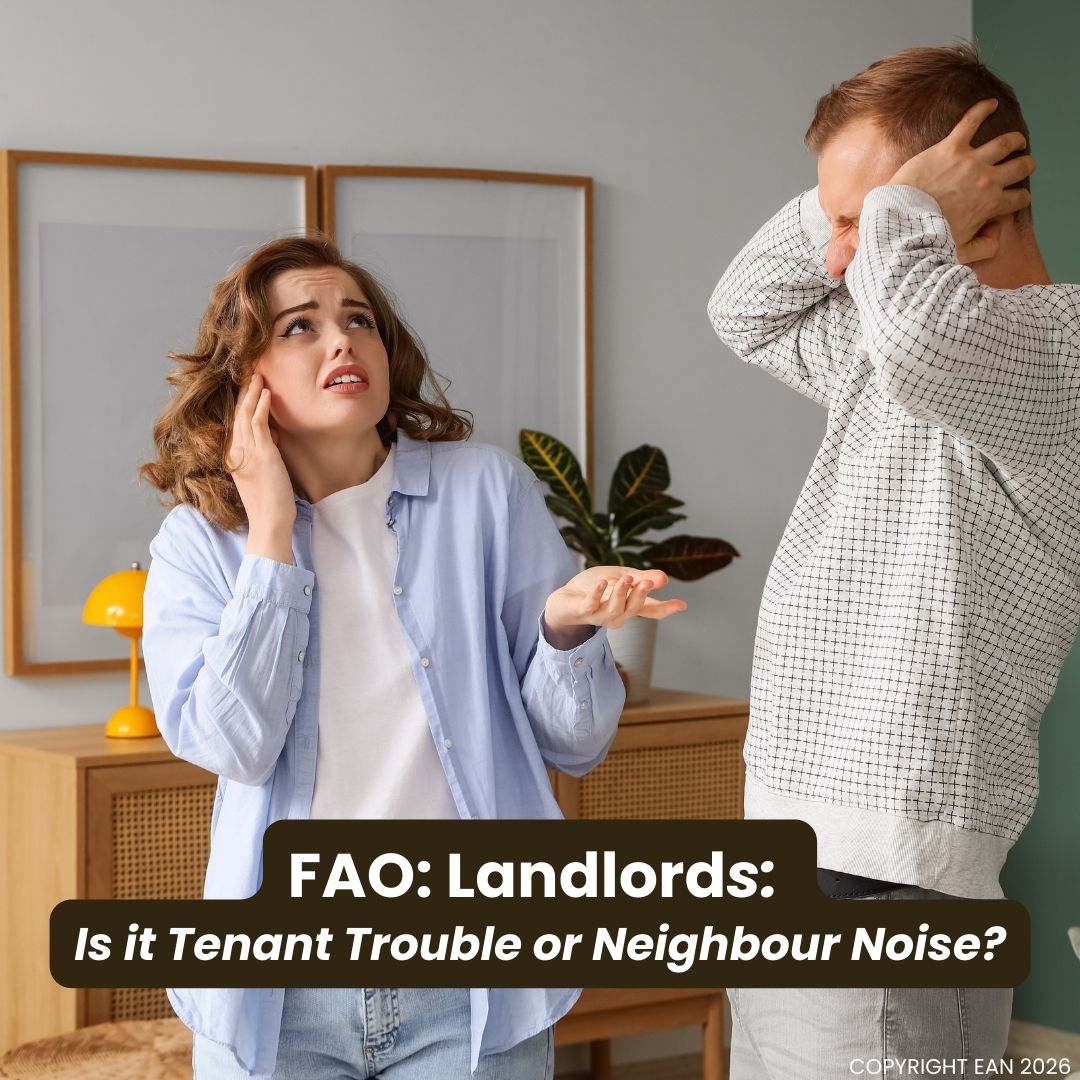
Hemel Hempstead Landlords: Is It Tenant Trouble or Neighbour Noise
Neighbour complaints about tenants are one of the most uncomfortable situations a landlord can face. In Hemel Hempstead, issues around noise, parking, rubbish, or alleged antisocial behaviour are common, but they are not always as clear cut as they first appear. Knowing how to assess complaints calmly and fairly can protect good tenants, reduce stress, and prevent small problems from becoming expensive disputes.
Why repeated complaints are not always what they seem
When complaints arrive frequently, especially from the same neighbour, it is tempting to assume the tenant must be at fault. In reality, situations are often more nuanced. Sometimes the issue is not behaviour at all, but clashing expectations, low tolerance, or a neighbour who has complained about multiple occupiers over time.
Pause before reacting
One of the most common mistakes landlords make is reacting emotionally or too quickly. Complaints often feel urgent, particularly when they come late at night or outside office hours. Stepping back and looking for patterns rather than personalities is essential before taking any action.
Look for detail not drama
Specific complaints that include dates, times, and examples carry far more weight than vague statements. Genuine issues tend to come with clarity. Ongoing complaints without evidence should prompt further scrutiny rather than immediate blame.
Consider the wider context
It is important to ask whether the same neighbour has raised similar issues before. A history of complaints against previous tenants can be a strong indicator that the problem may not lie with the current occupier, particularly in flats or densely populated streets.
Speak to the tenant early and calmly
A neutral conversation with the tenant is often very revealing. Good tenants are usually surprised by complaints and keen to resolve matters. They will explain routines, listen, and make reasonable adjustments. Calm engagement builds clarity far better than formal warnings.
Evidence should always outweigh opinion
Encouraging neighbours to keep a simple log of incidents can quickly separate genuine concerns from exaggerated perceptions. Landlords should also keep records of conversations, emails, and actions taken. This protects everyone if matters escalate later.
The risk of overreacting
Issuing warnings or threatening tenancy action too early can damage trust and push otherwise good tenants to leave. Equally, ignoring legitimate concerns can allow small issues to escalate into environmental health involvement or legal disputes. Balance is key.
Why experienced letting agents matter
A good letting agent acts as a professional buffer. They handle complaints, investigate fairly, communicate clearly, and remove emotion from the process. They know when to de-escalate, when to intervene, and when formal action is genuinely required.
Handled well, many neighbour disputes fade away quietly. Handled badly, they become stressful, time-consuming, and costly.
Support for landlords in Hemel Hempstead
If you are dealing with neighbour complaints and want calm, experienced guidance, our lettings team is here to help.
Recommended lettings guide

You might also be interested in

Oct 20, 2026
Rental Security: What Landlords Owe and Tenants Must Do
Rental Security: What Landlords Owe and Tenants Must Do A lock breaks. A side gate won't bolt. The outside light has been dead since March. In a rented home, whose job is that? It is one of the questi