
How Long Does It Take to Sell a House in Hemel Hempstead?
A realistic guide to sales timing, local expectations and what usually speeds a move up or slows it down.
If you are asking how long it takes to sell a house in Hemel Hempstead, you are probably trying to plan more than the sale itself. Most people want to know whether they have time to find somewhere else, whether a school move is realistic, whether a chain will cause problems, or whether they should even start the process yet.
That is usually the real question. Not just how long a sale takes on paper, but how long your sale is likely to take in the real world once viewings, offers, solicitors, surveys and onward plans all enter the picture. At David Doyle, that is one of the most common conversations we have with sellers before they come to market.
Thinking about selling and unsure on timing?
Book a free valuation with our local team and get practical advice on likely buyer demand, sale timing and the best route for your move.
There is no single answer, because the timeline has two parts
Time to agree a sale
This is the period from launch to accepting an offer. For some homes, this can happen quite quickly if the property is well presented, priced properly and aimed at an active buyer group. For others, it can take longer if the pricing is too ambitious, the presentation is weaker than competing homes, or the buyer pool is narrower.
Time from offer agreed to completion
This is the second stage, and often the part sellers underestimate. Even once a buyer is found, there is still legal work, surveys, mortgage processing, searches, enquiries and chain coordination to work through. Many sales feel simple at the start and then become slower once the transaction begins moving through the legal process.
What usually affects how long a house takes to sell?
Price at launch
This is one of the biggest factors. Homes that are priced realistically from the outset usually attract stronger early attention and a better quality of enquiry. If a property launches too high, it often loses momentum in the first few weeks, which can add unnecessary time before a serious offer arrives.
Presentation and first impression
Buyers compare quickly. A home that feels bright, tidy and ready for viewings will usually perform better than one that looks tired or uncertain. That does not mean every seller needs to spend heavily before launch, but it does mean first impression matters more than many people expect.
Type of property and likely buyer
A family house in the right area may attract a different pace of demand from a modern flat or a home needing work. The speed of the sale depends partly on how active the buyer pool is for your type of property at that moment.
Competition in your part of the market
If buyers have several similar homes to choose from, timing often comes down to which one feels best priced and best presented. If your home is one of very few strong options, you are usually in a better position.
Chain complexity
Once an offer is agreed, chains become a major factor. A chain free buyer can often move more smoothly than someone who still needs to sell. The same applies if you are buying onward and there are several linked transactions that need to move together.
What a typical selling timeline usually feels like
Before the property goes live
This is where the groundwork happens. Valuation, preparation, photos, wording, pricing and compliance details all sit here. Some sellers move through this stage quickly. Others take a little longer while they decide on timing or finish preparation.
The launch period
The opening weeks are important because buyer attention is strongest then. This is usually when the market tells you whether the price, presentation and positioning are working. If the response is good, viewings and offers tend to build more naturally. If the response is weak, the timeline often stretches.
Offer agreed stage
Once an offer is accepted, the sale moves into progression. This is when solicitors are instructed, surveys are arranged, mortgage processes begin and information starts moving between all parties. Even straightforward sales can slow if documents are missing or responses are delayed.
Legal work and completion
This final stage depends on communication, readiness and how complicated the wider transaction is. Some deals stay steady throughout. Others pause around enquiries, mortgage issues, surveys or chain coordination. This is why good sale progression matters so much once a buyer is found.
What usually slows a sale down?
Starting too high on price
Overpricing is one of the most common reasons a sale takes longer than expected. Sellers understandably want to leave room, but if buyers feel the price is out of step with the local market, they often hold back rather than negotiate.
Weak early presentation
If the launch does not create the right first impression, the best buyers can pass by before the seller has time to react. A stronger start usually gives you a stronger timeline.
Delays with documents or legal preparation
Once a sale is agreed, delays often come from missing paperwork, slow responses, unresolved issues or unclear expectations. Some delays are outside anyone’s control, but many are avoidable with better preparation and communication.
Complicated chains
The more parties involved, the more room there is for one hold up to affect everyone else. A sale linked to several onward transactions will almost always require more coordination than a simpler move.
What usually helps a sale move faster?
Realistic pricing from day one
The right price does not just influence the final outcome. It often influences the speed of the whole move. Buyers respond best when the guide price feels sensible against the local alternatives they are already watching.
Clear, well planned launch preparation
When the photos, wording, presentation and pricing all line up, the property is more likely to attract serious attention early. That often leads to stronger viewings and a cleaner path to offer stage.
Good communication once an offer is agreed
Sales move better when updates are clear, expectations are realistic and small issues are handled before they turn into bigger ones. This is often where sellers feel the value of a proactive agent most clearly.
Choosing the right buyer, not just the highest number
A buyer with a stronger position can sometimes be the faster and safer route even if their offer is not the absolute top figure. Readiness, chain position and motivation all matter.
How timing can vary across Hemel Hempstead
Boxmoor
Homes in Boxmoor often attract strong lifestyle led interest when the pricing and presentation feel right. Family buyers can be decisive here, especially when stock is limited and the property suits school or area driven demand.
Apsley
Apsley can move well where properties suit professionals, commuters and buyers who value convenience. In this part of the market, timing often depends on how the home compares with nearby alternatives and how sharply it is positioned.
Family areas across the town
Where buyers are moving for practical reasons such as schools, space or long term fit, demand can stay healthier than people expect. These moves are often needs based rather than speculative, which can help keep momentum in the right conditions.
Flats and modern developments
These homes are often judged very closely against competing stock. Timing here can be more sensitive to pricing, service charge position, presentation and overall value.
Questions sellers often ask about timing
Can a house sell quickly but still take a while to complete?
Yes. That is very common. A buyer can be found relatively early, but the transaction can still take time if there are surveys, mortgage delays, title issues or chain complications to work through.
Does the time of year matter?
Season can influence demand, but it is not the only factor. A well prepared home with the right pricing can perform at many points in the year. The strength of the buyer pool for your type of property matters more than a simple seasonal rule.
Should I wait until I have found somewhere to buy?
That depends on your confidence and the type of move you are making. Some sellers want to know their sale is under way before they commit onward. Others prefer to understand their likely value and timing first so they can plan more clearly. Usually the useful step is getting proper local advice before making that call.
What if my house does not sell in the first few weeks?
That does not always mean there is a major problem, but it does usually mean the market is giving you useful feedback. The question then becomes whether price, presentation or positioning needs adjusting.
Sometimes the better question is not how long the average sale takes, but how your sale is likely to behave
If you are trying to work out how long it takes to sell a house in Hemel Hempstead, the most useful answer is not a single town wide average. It is a realistic view of how your home is likely to perform, who the likely buyer is, what the onward situation looks like and where delays are most likely to appear.
That is what makes the timeline feel clearer. Not guesswork, just a better understanding of your position in the local market and what happens after the board goes up.
Want a clearer view of likely sale timing?
Book a free valuation and we will talk through buyer demand, likely timing and what could affect the pace of your move.
Helpful next read
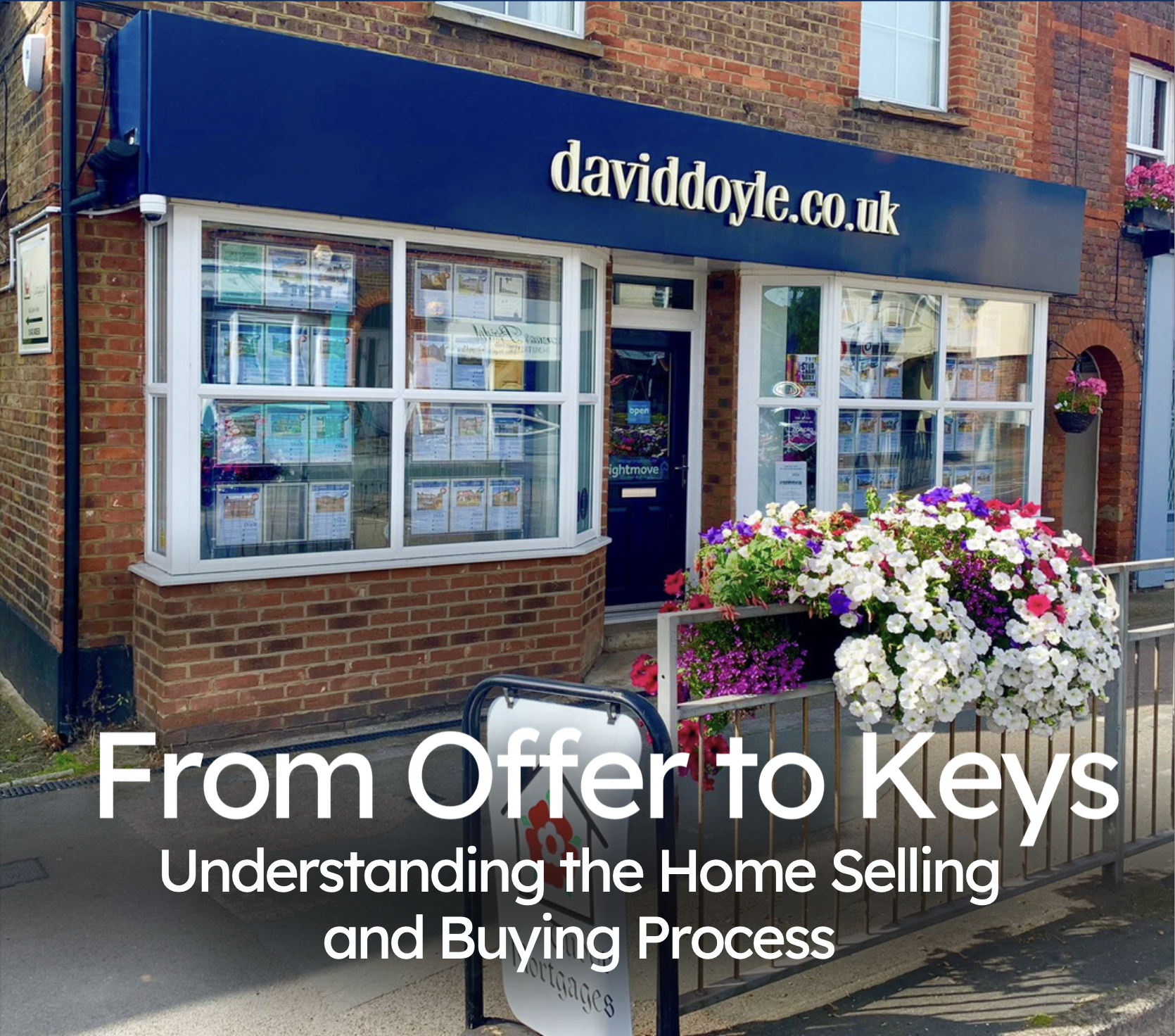
From Offer to Keys
If your main concern is what happens after a sale is agreed, this guide walks through the legal and practical stages that sit between accepting an offer and finally moving.