Biodiversity Net Gain and Small Developments: What Landowners Need to Know
Biodiversity Net Gain has become an important part of the planning process in England. For landowners in Hemel Hempstead considering a garden plot, infill site, or small redevelopment opportunity, it is worth understanding what the rules mean before making decisions.
What Is Biodiversity Net Gain?
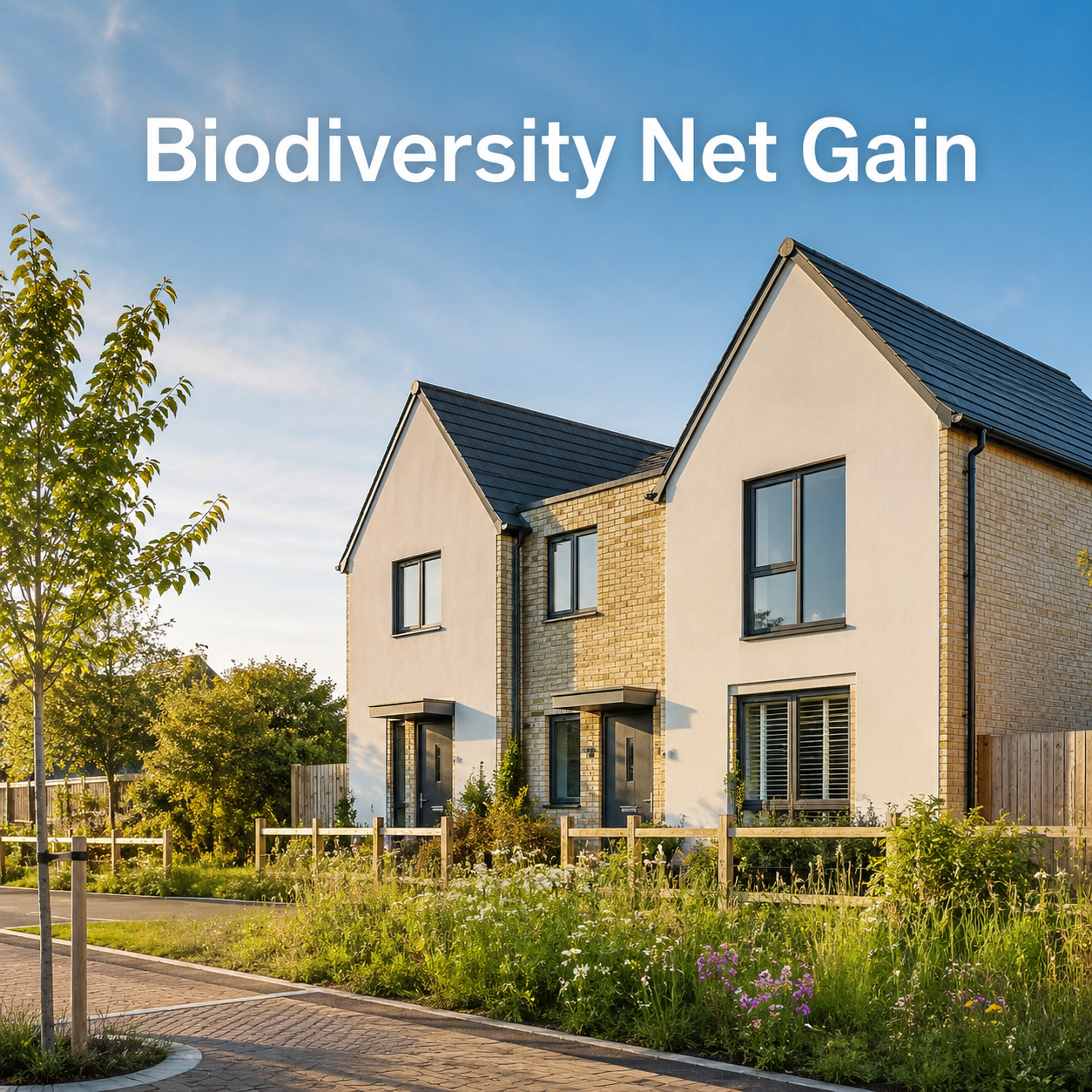
Biodiversity Net Gain, often referred to as BNG, is designed to make sure development leaves the natural environment in a measurably better state than before.
For most relevant planning applications, developers are required to deliver a minimum 10 per cent biodiversity gain. This is measured using the statutory biodiversity metric.
Why BNG Matters for Small Sites
Small sites often have limited space. That can make it harder to provide all biodiversity improvements within the plot itself, particularly where the site is tight, urban, or already constrained by access and parking.
This does not mean small sites cannot work. It simply means biodiversity should be considered early, alongside design, access, drainage, and viability.
What Is Changing?
The Government has confirmed a package of changes intended to make Biodiversity Net Gain simpler and more proportionate for smaller developments.
One important change expected by the end of July 2026 is a new area based exemption for sites of 0.2 hectares or below, subject to final implementation. The Government has also set out further targeted updates around exemptions, the biodiversity gain hierarchy, and the statutory biodiversity metric.
This means the rules for smaller sites are changing, but landowners should not assume that every small plot will automatically be exempt until the changes are fully in force and the details are properly checked.
What Landowners Should Avoid Assuming
There are two common assumptions that can lead to poor decisions.
The first is assuming BNG will make a site impossible. In many cases, requirements can be managed with the right advice.
The second is assuming BNG can be ignored because a site is small. Until exemptions clearly apply, biodiversity remains a planning consideration that should be taken seriously.
How BNG Can Affect Viability
Biodiversity requirements can influence design, cost, and land value.
For some sites, habitat improvements may be delivered on site. For others, off site solutions or statutory biodiversity credits may need to be considered where appropriate. These routes carry different costs and should be factored into feasibility from the outset.
Why Early Advice Matters
BNG is best considered before drawings are finalised, not after.
A planning consultant, ecologist, or land specialist can help identify whether biodiversity constraints are likely to be significant and whether the site may qualify for any relevant exemption once the updated rules apply.
The Bottom Line
Biodiversity Net Gain is not simply a box to tick. It can affect how a small site is designed, valued, and delivered.
At the same time, confirmed reforms suggest the system is moving toward a more proportionate approach for smaller developments. For Hemel Hempstead landowners, the sensible route is to take advice early and avoid making assumptions either way.
At David Doyle, our Land and New Homes team can help you understand how biodiversity, planning, and market viability fit together before you commit time or money to a development idea.
Thinking About a Small Development Site?
Speak to our Land and New Homes team for practical local advice before taking the next step.
You might also be interested in

Aug 22, 2026
What Happens After You Agree to Sell Land to a Developer?
Agreeing to sell land to a developer is a significant step, but it is rarely the end of the process. Once terms are agreed, there are still important stages to work through, including due diligence, l